Blast Protection | FSJ Tactical
Blast Proof Windows & Blast Resistant Security Glazing
In an explosion, flying glass causes many of the injuries. FSJ Tactical installs DefenseLite polycarbonate glass-capture systems tested to ASTM F1642 that keep primary glass out of occupied space.
When an explosive device detonates, the pressure wave radiates outward until it hits walls, windows, and doors. Ordinary glass breaks into fragments that travel at high velocity, turning windows into a source of injury. Blast proof windows from FSJ Tactical capture that glass before it can reach the people inside.
How DefenseLite Blast Protection Works
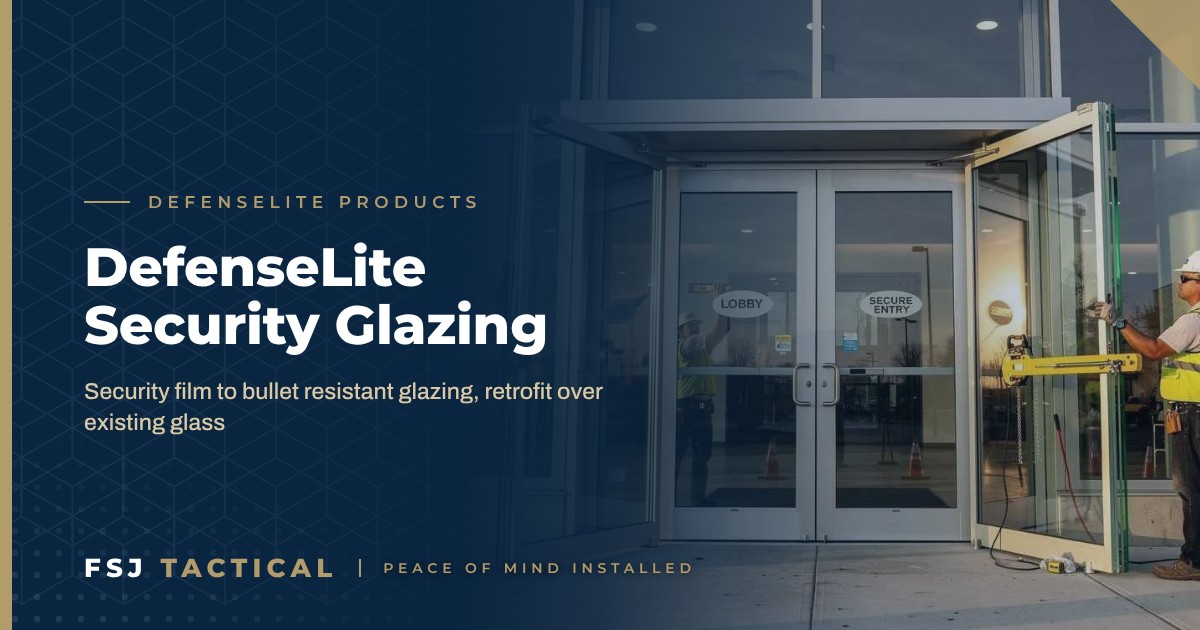
DefenseLite offers a retrofit, interior-mounted polycarbonate glass-capture system. The shield is mounted to the existing frame behind the primary glass. When a blast breaks the glass, the polycarbonate shield flexes to absorb the pressure wave and debris without shattering, keeping fragments from flying into the building.
Polycarbonate is about 250 times stronger than glass, and unlike laminated glass it maintains visibility. Custom-fabricated polycarbonate glazing for doors and windows is also available.
Tested Blast Performance
DefenseLite Pro and BulletShield have been tested to ASTM F1642, the standard test method for glazing and glazing systems subject to airblast loadings, at Class 10 psi and 90 psi-msec. They are also tested for forced entry, hurricane impact, and active-shooter scenarios, so one system protects against multiple threats.
| System | Blast | Additional Protection |
|---|---|---|
| DefenseLite Pro | ASTM F1642 Class 10 psi / 90 psi-msec | ASTM F3561 Level 8 forced entry; Miami-Dade zone 5 hurricane |
| BulletShield | ASTM F1642 Class 10 psi / 90 psi-msec | UL 752 ballistic; ASTM F1233 forced entry; hurricane |
| RiotLite film | Holds broken glass together | ASTM F3561 Level 3 forced-entry delay |
Benefits of Blast Resistant Glazing
Reduces Injuries
Captures glass fragments that cause many blast injuries.
Keeps the Building Secure
The shield stays in place after an event, limiting access for looting or follow-on attacks.
Lowers Repair Costs
Reduces interior damage and cleanup after a blast.
Maintains Visibility
Clear polycarbonate preserves daylight and views, unlike heavy laminated blast glass.
Who Needs Blast Proof Windows?
- Federal and military facilities and government buildings
- Courthouses and police stations
- Data centers and critical infrastructure
- Storefronts and retail, where broken glass exposes merchandise and sensitive materials
- High-profile corporate headquarters and houses of worship
Retrofit vs. Replacement
Traditional blast-resistant glass is heavy, expensive, and often requires new framing and structural analysis. A DefenseLite retrofit mounts to existing frames, shortening timelines and preserving the building's appearance. It also delivers added benefits such as storm protection, noise reduction, and improved insulation.
Assess your blast risk. FSJ Tactical can evaluate your glazing and recommend a tested blast mitigation solution for each elevation.
Security Film + Glazing
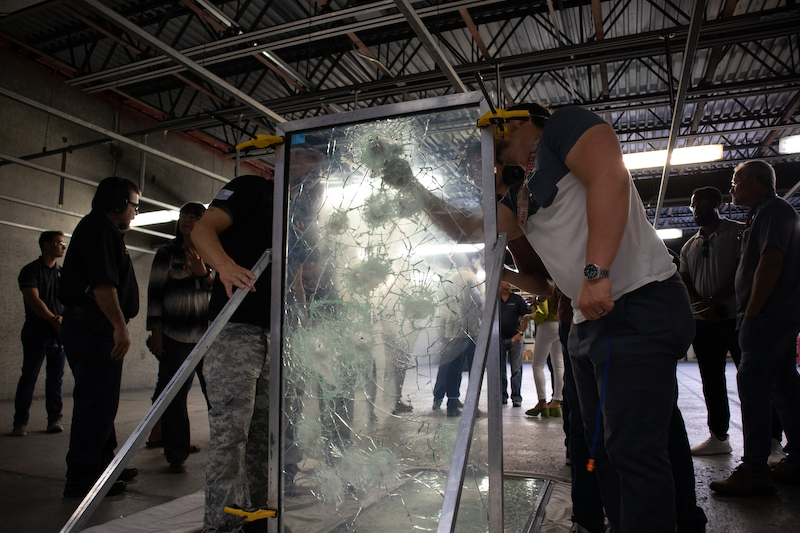
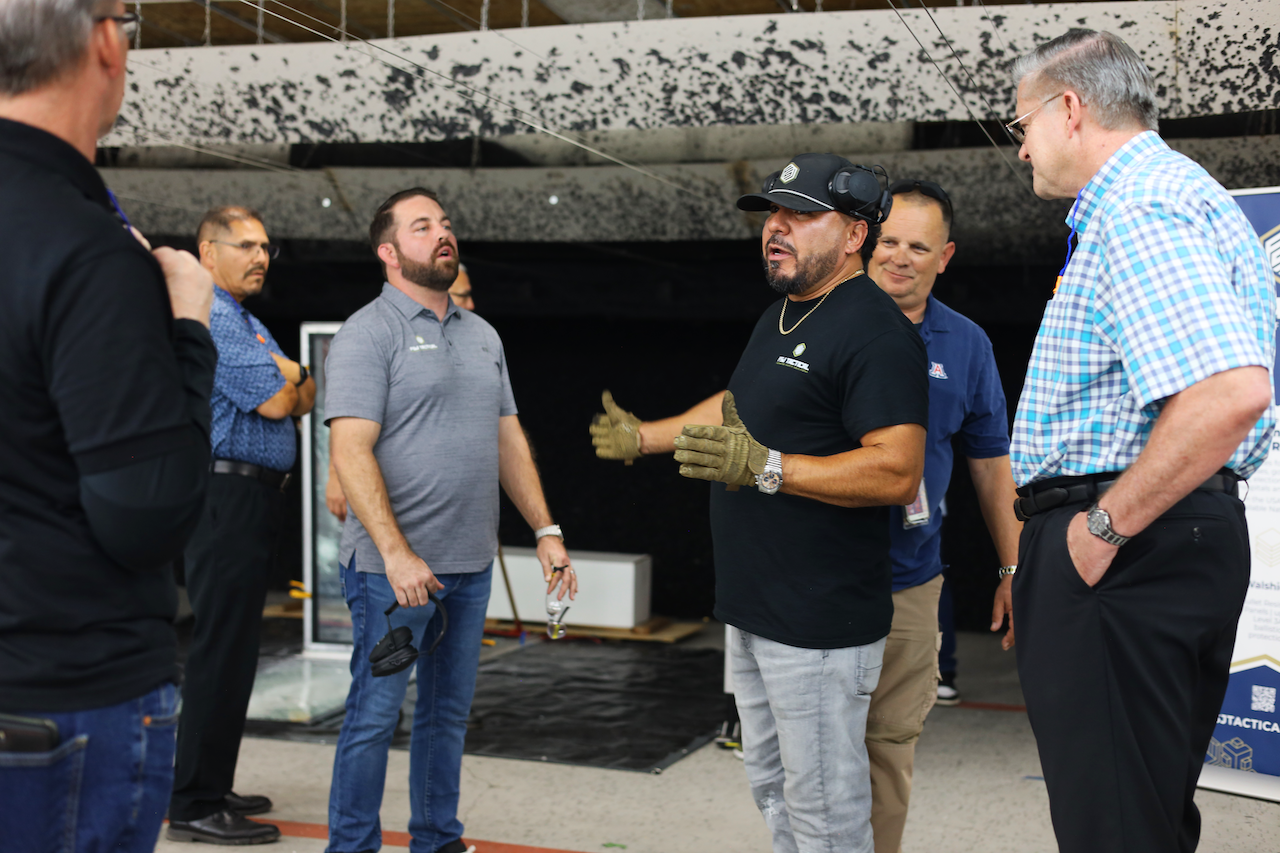
See It Stop a Threat: FSJ Tactical Live Fire Demos
Request a live fire demonstration of our products on any existing drywall or glass.

Peace of Mind: Installed
Recent FSJ Tactical projects for school districts, cities, and counties. Over 500,000 square feet protected.


Installation available in every state
NATURAL DISASTERS
Security film and polycarbonate glazing hold glass in place against storms, debris, and blasts.
CRIME
Forced-entry and ballistic protection delays attackers and buys time for law enforcement to respond.
PEACE OF MIND
FSJ Tactical protects occupants and assets with an industry-leading warranty and nationwide installation.
Frequently Asked Questions
What does blast mitigation mean?
No building can fully prevent the effects of an explosion. Blast mitigation reduces damage to the building and injuries to occupants through design choices and blast-resistant windows and doors.
What does an explosion do to window glass?
The pressure wave usually breaks the glass, and debris it carries adds to the damage. Glass fragments, or spall, fly at high speed, which is why glass fragmentation causes so many blast injuries. Protection focuses on stopping those projectiles.
What are blast resistant windows made of?
Common approaches are laminated glass, which holds fragments to a plastic interlayer, and polycarbonate glazing. DefenseLite uses a polycarbonate shield mounted behind the primary glass to capture fragments without shattering, while maintaining visibility.
Are windows really "blast proof"?
"Blast proof" is a common search term, but no window is immune to damage. The correct term is blast resistant, meaning the system has been tested to withstand specific pressure and impulse levels, such as ASTM F1642 Class 10 psi and 90 psi-msec.
Can blast protection be added without replacing windows?
Yes. DefenseLite installs on the interior of existing frames as a retrofit glass-capture system, avoiding the cost and disruption of blast-glass replacement.
Let's talk about your project...
Talk with the FSJ Tactical team about a site assessment. We'll walk your building, identify the glass and doors at highest risk, and recommend the DefenseLite security glazing level that fits your threats and your budget.